Garment inspection checklist: what to check
- Order, style, color, size and lot identity
- Available, finished and packed quantity
- Fabric, shade and approved material references
- Measurements and stated tolerances
- Seams, stitching, symmetry and workmanship
- Print, embroidery and decoration placement
- Zippers, buttons, pockets and other functions
- Labels, folding, assortment, polybags and cartons
- Defects, photographs, sample size and inspection decision
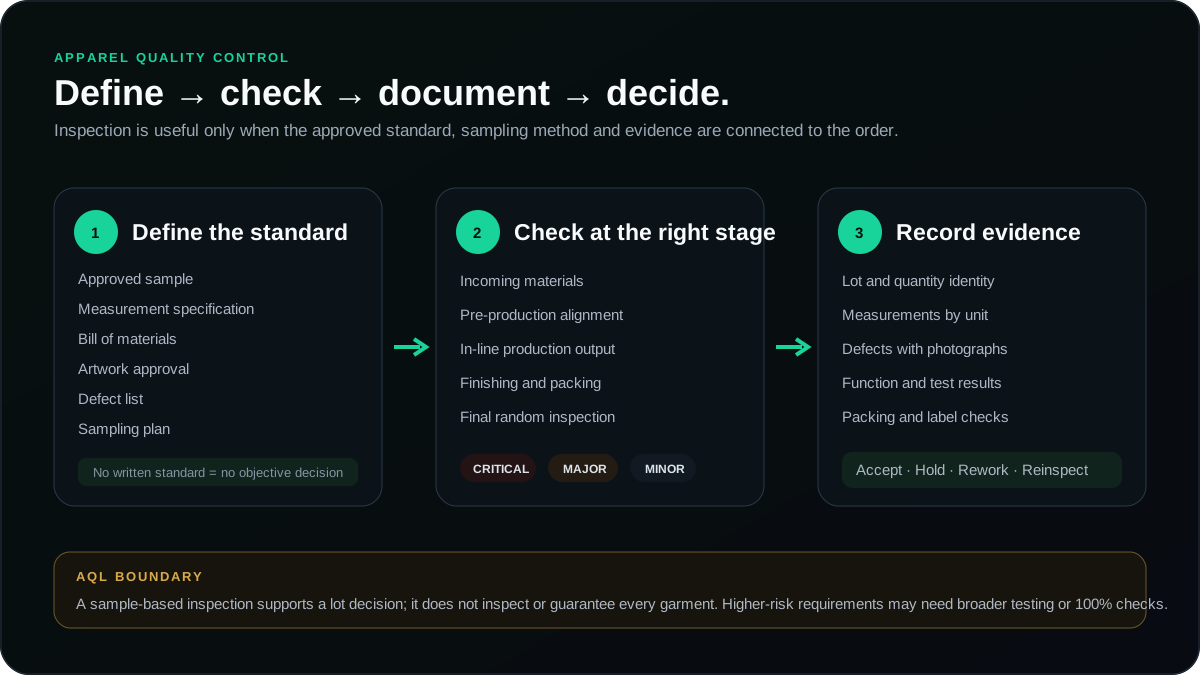
Define apparel quality before production
A final inspector cannot repair an unclear specification. Start with the approved tech pack, sample, measurement chart, artwork, shade reference, label files and packaging instructions. Then identify the defects that matter most to the product and market.
| Control document | What it answers |
|---|---|
| Approved sample | What the accepted garment should look and feel like |
| Measurement specification | Where and how to measure, target values and tolerances |
| Bill of materials | Which fabric, trims, labels and packaging are approved |
| Artwork approval | Technique, version, size, color and placement |
| Defect list | Which issues are critical, major or minor for this order |
| Sampling plan | How units are selected and how acceptance is decided |
Use checks at the right production stages
Final inspection is useful, but it is late and sample-based. Place controls where problems can still be contained.
- Incoming material checks: verify material identity, shade grouping, width or usable condition, trims and relevant test status before cutting.
- Pre-production meeting: align the approved sample, construction risks, measurement method, artwork and packaging.
- In-line checks: examine early output for sewing, measurements, decoration and workmanship before the full lot is complete.
- Finishing and packing checks: verify cleaning, pressing, labels, folding, assortment and carton information.
- Final random inspection: assess the finished lot against the agreed sampling plan and release criteria.
The appropriate stages depend on product complexity, order value, defect risk and buyer requirements. They should be agreed before production rather than invented after a problem appears.
Detailed clothing inspection checklist
| Area | Example checks | Evidence |
|---|---|---|
| Identity and quantity | Style, color, size assortment, packed and unfinished units | Order reconciliation and carton count |
| Fabric and shade | Structure, visible faults, shade consistency, panels and direction | Approved reference, shade grouping and photos |
| Measurements | Selected points of measure using the stated method | Actual values by inspected unit |
| Workmanship | Seams, skipped stitches, puckering, reinforcement, symmetry and cleanliness | Defect count with locations and images |
| Decoration | Artwork, placement, color, coverage, embroidery or print defects | Approved artwork and measured placement |
| Function | Zippers, buttons, snaps, pockets, drawcords and other applicable features | Functional test record |
| Labels and packing | Content, position, barcode, folding, polybag, assortment and carton marks | Photos and data scan where specified |
Add product-specific risks instead of using a generic form unchanged. A washed hoodie may need shade and dimensional controls; an embroidered cap may require different placement, backing and shape checks.
Understand what AQL sampling can and cannot do
AQL is used within an acceptance-sampling system; it is not a promise that the shipment contains no defects. The current ISO 2859-1:2026 describes sampling schemes indexed by acceptance quality limit for lot-by-lot inspection. Buyers should define the standard or method, lot size, inspection level, AQL values by defect class and any special tests with a qualified inspection provider.
Do not copy an AQL number without context
- Critical, major and minor classifications must match the product and buyer risk.
- Sample size and acceptance numbers depend on the selected sampling plan.
- Destructive or functional tests may need separate sample quantities.
- A failed sample-based inspection requires an agreed disposition; it does not identify every defective unit.
- For high-risk requirements, broader testing or 100% checks may be appropriate.
Garment inspection decision matrix
The report result and the commercial release decision are not the same thing. Use the evidence, defect risk and written purchase terms to select the next action.
| Inspection outcome | Buyer action | Evidence required before release |
|---|---|---|
| Within agreed limits | Approve the inspected lot, subject to open document or shipment conditions | Signed report, quantity reconciliation and closure of any noted observations |
| Correctable issues, lot held | Define rework scope and prevent shipment until the correction is verified | Corrective-action record, rework quantity and targeted reinspection evidence |
| Result is incomplete or disputed | Keep the lot on hold and clarify the standard, sample or missing test | Controlled specifications, added test results or an agreed second inspection |
| Outside agreed limits | Reject, rework or negotiate another written disposition | Defect evidence, affected quantity, responsibility and buyer approval of the disposition |
Require an actionable garment inspection report
- Order, style and lot identification
- Inspection date, location and stage
- Available quantity and packed quantity
- Sampling method and units checked
- Defects by class with photographs
- Measurement results by unit
- Tests performed and results
- Overall conclusion and open actions
A useful report allows the buyer to decide whether to accept, hold, rework, reinspect or escalate. The commercial consequence of a finding should follow the purchase agreement and written corrective-action plan.
A documented custom tracksuit sample-to-bulk case shows why thread trimming, label security and embroidery placement should be recorded by size and defect type after an urgent first shipment.
Wincome Apparel can coordinate order-specific quality checkpoints through authorized production partners, but the exact inspection scope, sampling method, testing and acceptance criteria must be confirmed for each project.