How long does custom clothing production take?
There is no responsible universal answer. A production schedule changes with specification readiness, fabric and trim availability, sample revisions, decoration, order structure, approvals, capacity and shipping method. A simple repeat order using approved materials follows a different path from a new cut-and-sew style with custom fabric and washes. Distance is only one dependency; compare the full route with the domestic vs overseas manufacturing lead-time framework.
Before requesting a date, define the product using a complete apparel tech pack, map the required clothing sample stages and confirm the style, color and size order structure.
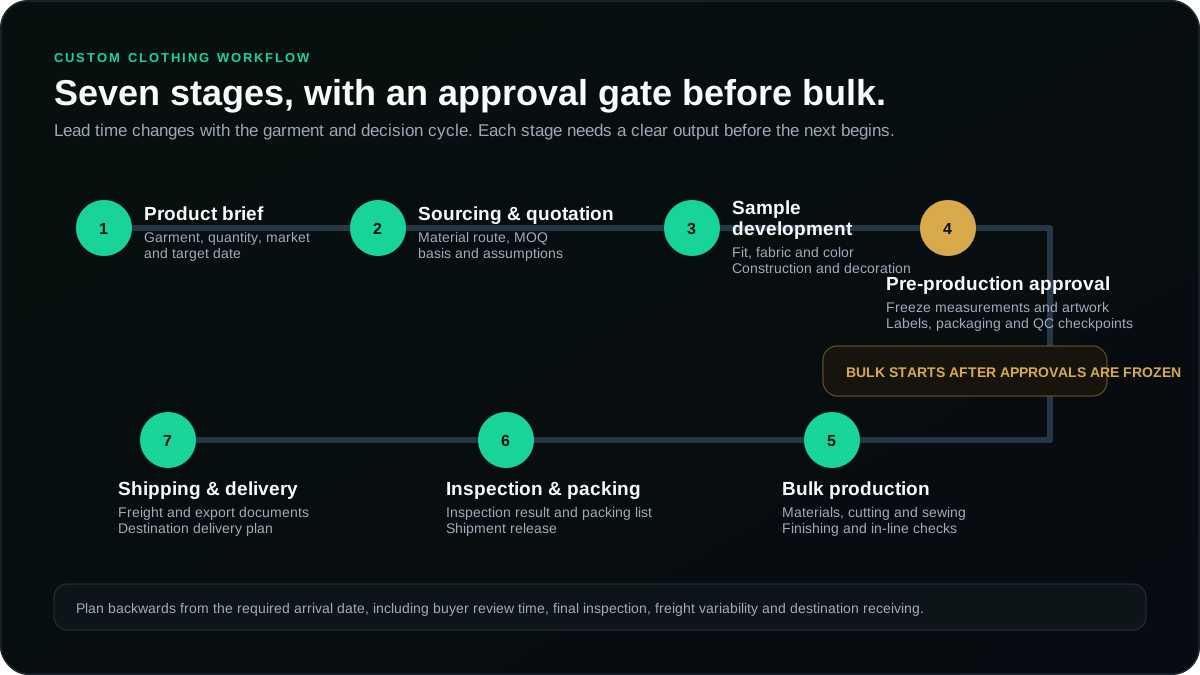
The seven stages of a custom clothing production timeline
| Stage | Output required before moving on |
|---|---|
| 1. Product brief review | Garment, quantity, market, target date and specification gaps identified |
| 2. Sourcing and quotation | Material route, process, project MOQ, price basis and assumptions |
| 3. Clothing sample development | Physical sample for fit, fabric, color, construction and decoration review |
| 4. Pre-production approval | Approved measurements, artwork, labels, packaging and quality checkpoints |
| 5. Bulk garment production | Materials received, cutting, sewing, finishing and in-line checks |
| 6. Final inspection and packing | Inspection result, packing list and shipment release |
| 7. Shipping and delivery | Booked freight, export documents and destination delivery plan |
Review the available custom T-shirt and custom hoodie development routes when defining garment-specific checkpoints.
What can delay a custom clothing order?
- Incomplete measurements, artwork or packaging instructions
- Custom fabric knitting, dyeing or laboratory dips
- Garment washes that need repeated shade approval
- Revised samples or late fit comments
- Custom zippers, labels, trims and packaging
- Testing or compliance documents required for the destination market
- Capacity and freight availability
When a dependency changes, update the whole calendar rather than only the final delivery date.
Freeze approvals before bulk clothing production
Production should not start from an evolving chat thread. Use a dated approval pack containing the final tech pack, measurement chart, color references, artwork files, label copy, packing method and approved sample comments.
Use the pre-production sample approval checklist before releasing irreversible bulk work.
Build the apparel launch calendar backwards
- Start with the required warehouse or launch date.
- Allow for destination customs, freight variability and receiving.
- Add final inspection and packing time.
- Add bulk production after all approvals.
- Add sampling and buyer review cycles appropriate to the product.
- Reserve decision time for your own team.
Every quoted schedule should be reconfirmed for the actual order. Product-page planning references are not shipment guarantees. The shipping guide explains why transport scope should remain separate from production milestones.
Backwards launch-date planner
Set a required launch date, then adjust each planning allowance to see the latest working dates for the project brief, sampling, bulk production and shipment.
- Project brief ready byChoose a launch date
- Sampling approved by—
- Bulk production complete by—
- Shipment ready by—
- Required launch date—
This is a planning model, not a delivery quote or capacity commitment. Reconfirm every milestone for the actual product and shipping route.
Use production records to protect reorders
Keep the approved sample, final measurement chart, fabric and trim references, artwork versions, inspection result and packing record together. These records make later changes visible and give repeat orders a controlled starting point.
See how sample corrections and approvals supported a documented custom tracksuit sample-to-bulk order.